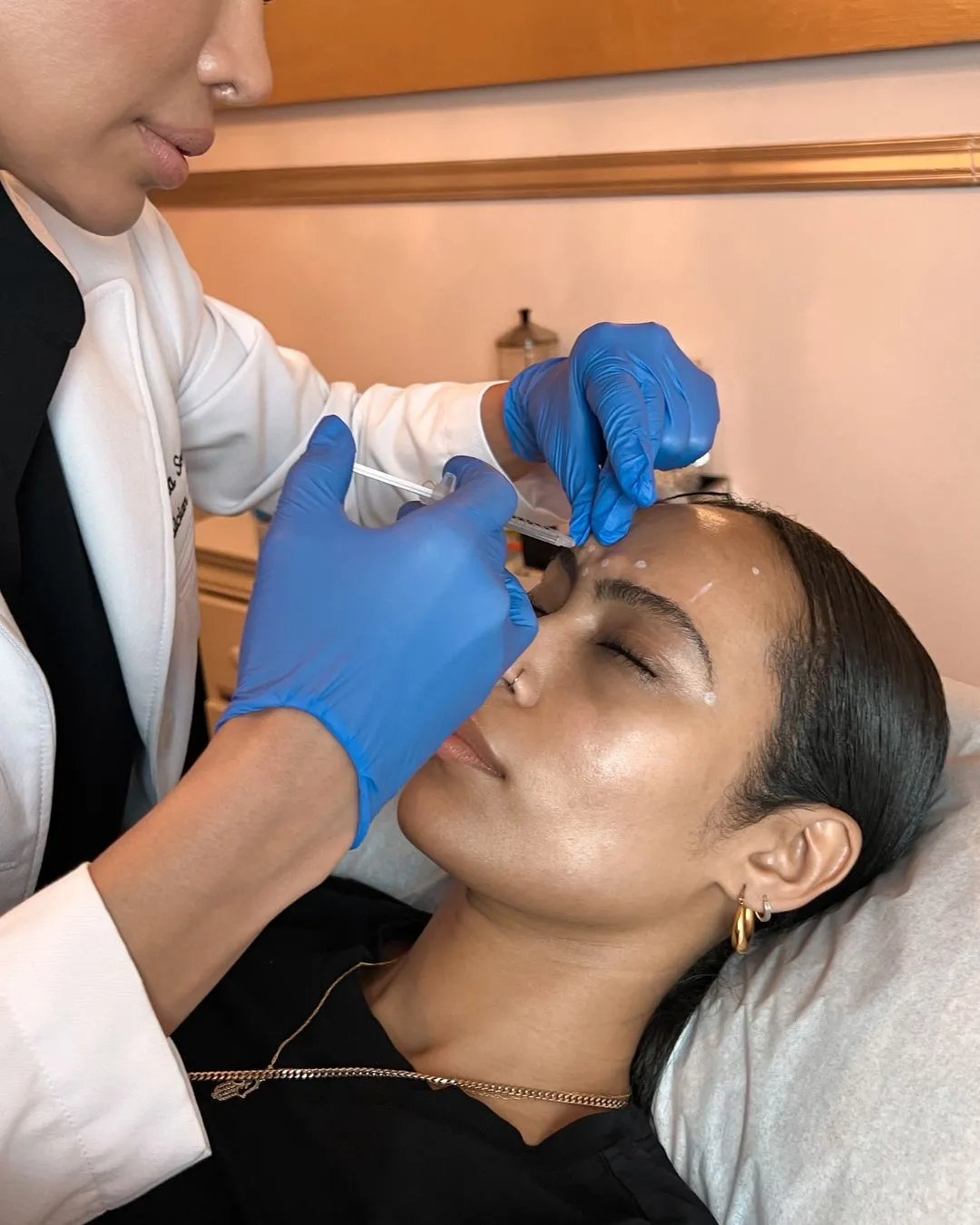
Evaluating Botox certification requirements often reveals widespread regulatory misunderstandings. Misconceptions claim that an active state license automatically authorizes cosmetic injections without training, or that private training vendors hold official state board endorsement.
In reality, neither the U.S. Food and Drug Administration (FDA) nor state medical boards issue or approve commercial "Botox certifications." The FDA regulates onabotulinumtoxinA (BLA 103000) as a prescription biologic; it does not credential individual injectors or commercial training programs.
Legal compliance and clinical precision depend on satisfying state licensure scope, adhering to physician delegation rules, and completing hands-on training tailored to facial anatomy and safety protocols.
1. What Are the Requirements for Botox Certification?
To legally administer botulinum toxin, healthcare professionals must satisfy four statutory and clinical pillars:
- Active Professional Licensure: You must hold a valid state license whose scope of practice permits medical procedures and injections (MD/DO, PA, NP/APRN, RN, LVN/LPN, or DDS/DMD).
- Statutory Compliance & Physician Delegation: Non-prescribing or delegated licensees (PAs, RNs, LPNs) must operate under explicit physician supervision, written delegation protocols, or Standing Delegation Orders (SDOs) as mandated by state practice acts.
- Anatomical & Pharmacological Education: Rigorous instruction in facial vascular architecture, muscular dynamics, dilution math, and complication mitigation.
- Verified Clinical Competence: Delegating physicians and practice directors bear supervisory liability under state law and must verify documented hands-on competency before delegating procedures.
A training completion certificate documents education—it does not alter, expand, or grant statutory scope.
2. Who Is Eligible for Botox Certification?
Eligibility is determined by state practice acts and statutory scope:
License Requirements by Profession (RN, NP, PA, MD/DO, DDS)
- Physicians (MDs/DOs): Possess full independent authority to evaluate, prescribe, and inject. As medical directors, physicians assume supervisory liability for delegating neurotoxin administration to non-physician staff.
- Physician Assistants (PAs): Operate under delegating physician practice agreements pursuant to state medical board rules. Injection procedures require established supervisory protocols.
- Nurse Practitioners (NPs/APRNs): Scope depends on state practice authority laws. In full-practice authority states, NPs can evaluate, prescribe, and inject independently. In reduced or restricted states, NPs must maintain collaborative agreements or prescriptive authority agreements with a delegating physician.
- Registered Nurses (RNs) & Licensed Practical Nurses (LPNs/LVNs): Cannot independently diagnose or prescribe. They may execute injections only following a prior in-person evaluation by an authorized prescriber (MD/DO, NP, or PA) and under explicit physician delegation orders.
- Dentists (DDS/DMD): Permitted in many states to administer neurotoxins within the scope of maxillofacial head and neck anatomy, subject to state dental board guidelines.
Do You Need Prior Injection Experience?
Prior cosmetic injection experience is not legally required. However, comprehensive didactic education and direct, supervised hands-on training are essential before treating patients independently.
3. Botox Certification Requirements by State
Because healthcare regulation is governed at the state level, delegation, supervision, and practice requirements vary by jurisdiction. State licensing boards (such as Medical, Nursing, and Dental Boards) establish specific rules governing who may perform medical assessments, write orders, and administer injections. Practice directors and clinicians must review their respective state medical practice acts to ensure full regulatory alignment.
4. Educational and Prerequisite Requirements
A compliant educational program must cover core clinical and anatomical competencies:
- Facial Anatomy & Danger Zones: Structural mapping of the frontalis, procerus, corrugator supercilii, orbicularis oculi, and vascular pathways to prevent complications like eyelid ptosis or arterial compromise.
- Pharmacology & FDA-Labeled Dosing: Precise reconstitution calculations, unit conversion awareness, and standardized administration protocols.
- Safety Protocols & Storage: Maintaining unopened vials at 2–8°C, using single-use vials, and administering reconstituted product within designated timeframes.
- Complication Mitigation: Early recognition and management of adverse reactions, including systemic spread warning signs.
- Patient Selection & Consent: Performing standardized aesthetic evaluations, identifying contraindications, and obtaining informed consent.
5. How to Get Botox Certification: Step-by-Step
Achieving clinical competency involves a four-step process:
- Verify State Licensure & Scope: Confirm that your active state license and delegation framework permit neuromodulator injections.
- Select an Accredited Training Format: Choose a program that offers structured didactics and supervised clinical practice.
- Master FDA-Labeled Dosing Protocols:
- Glabellar Lines: 20 Units total across 5 injection sites (4 Units per site).
- Lateral Canthal Lines (Crow's Feet): 24 Units total across 6 sites (12 Units / 3 sites per side).
- Forehead Lines: 20 Units across 5 forehead sites, administered in conjunction with 20 Units in the glabellar complex (40 Units total).
- Platysma Bands: 26–36 Units distributed across 18–28 sites based on band prominence.
- Complete Assessment & Establish Protocols: Obtain documentation of training and establish compliant clinical practice protocols or Standing Delegation Orders (SDOs).
6. What Documents Do You Need to Enroll?
When enrolling in a professional aesthetic training program, clinicians must provide:
- Proof of an active, unencumbered professional license (MD/DO, PA, NP, RN, LPN, DDS).
- Government-issued identification.
- Documentation of prior training or medical directorship agreements where applicable.
7. How Long Does It Take?
Didactic and practical training ranges from self-paced online modules to intensive one-day workshops. Clinical mastery and technique refinement develop through ongoing patient treatments and supervised repetition.
8. Cost
Tuition varies based on training structure, class size, provided model inventory, and level of instruction. Online didactic options represent lower price points, while live-model hands-on courses reflect the operational costs of live patient models and direct faculty instruction.
9. Common Reasons Applications Get Delayed or Rejected
- Attempting to register without an active professional healthcare license.
- Incomplete statutory documentation or unverified license numbers.
- Misunderstanding state-specific delegation rules for non-prescribing delegates.
- Registering for advanced courses without completing foundational anatomical training.
10. Botox vs. Other Injectable Certifications
- Product Non-Interchangeability: Potency units are specific to each manufacturer's product assay (e.g., OnabotulinumtoxinA vs. AbobotulinumtoxinA or IncobotulinumtoxinA) and cannot be converted using 1:1 ratios.
- Dermal Fillers: Soft tissue filler administration involves distinct anatomical considerations, injection planes, and complication risks (e.g., vascular occlusion), requiring separate clinical instruction.
11. FAQ
What are the requirements to get Botox certified?
An active professional license, adherence to state physician delegation rules, structured anatomical education, and verified clinical competence.
Does the FDA approve Botox certification courses?
No. The FDA regulates prescription biologics and medical devices, not commercial training providers or clinician certifications.
Can a Registered Nurse inject Botox independently?
No. RNs must inject under physician delegation following an in-person assessment by an authorized prescriber.
What FDA-labeled doses are taught?
Glabellar lines (20 U total), lateral canthal lines (24 U total), forehead lines (20 U combined with 20 U glabellar), and platysma bands (26–36 U).
12. Ready to Meet the Requirements?
Ensure your practice remains fully compliant while delivering high-standard clinical outcomes. Review training options through our botox training certification pathways—offering one-day onsite, one-day teletraining, and online-only options—to master facial anatomy and injection protocols safely.
13. Medical Disclaimer
This material is provided strictly for educational and informational purposes and does not constitute formal legal or medical advice. Healthcare professionals must consult their respective state licensing boards and practice acts to verify scope of practice and delegation requirements prior to administering cosmetic injections.