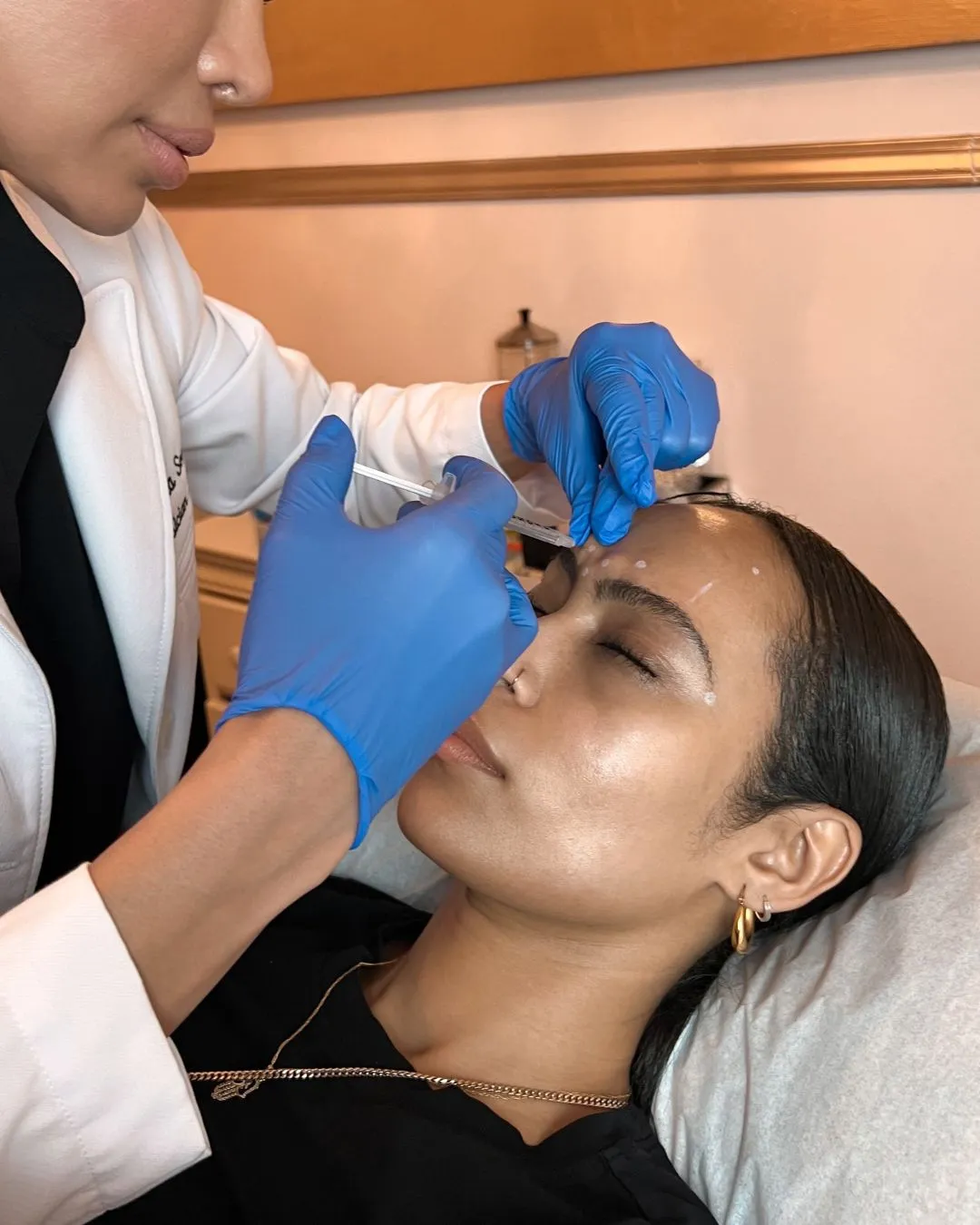

Florida has grown into one of the most dynamic markets for aesthetic medicine in the United States, with medical spas, dermatology clinics, and wellness centers expanding rapidly across Miami, Orlando, Tampa, and Jacksonville. For Florida physicians (MDs/DOs) seeking to integrate neuromodulators into their clinical practice or serve as medical directors, navigating state compliance and establishing standard operating protocols is vital.
Despite common misconceptions, neither the State of Florida nor the Food and Drug Administration (FDA) issues a "state Botox license." Certification in aesthetic medicine reflects verified clinical training, supervised hands-on experience, and mastery of facial anatomy—not a separate state-issued license.
Whether you plan to perform treatments personally or oversee delegated injectors, taking a structured Cosmetic Medical Training Botox certification course equips medical directors and clinicians with the hands-on expertise and legal frameworks required to operate safely in Florida.
1. Florida Medical Board Regulations & Delegation Framework
Under statutes enforced by the Florida Board of Medicine, administering onabotulinumtoxinA (Botox Cosmetic) is legally classified as the practice of medicine. As a physician or clinical director, understanding delegation authority, supervision levels, and protocol documentation is essential to protecting your professional license and practice.
Who Can Administer Neuromodulators in Florida?
- Physicians (MD/DO) & Dentists (DDS/DMD): Hold independent authority to diagnose, prescribe, and perform injectable procedures within their clinical scope.
- Advanced Practice Registered Nurses (APRNs) & Physician Assistants (PAs): May perform patient evaluations, prescribe, and administer injections pursuant to a formal Autonomous Practice framework or a collaborative protocol agreement with a supervising Florida physician under Florida Statute §458.348.
- Registered Nurses (RNs): May administer Botox injections only under direct physician order or delegation, operating under written protocols established by a supervising physician in accordance with guidelines from the Florida Board of Nursing.
Medical Director Requirements & Delegation Protocols
If you operate as a medical director delegating aesthetic tasks to non-physician staff, Florida law requires strict supervision and administrative oversight:
- Mandatory Initial Patient Assessment: Before delegating a Botox administration to nursing personnel, a qualified practitioner (MD, DO, APRN, or PA) must complete an initial medical assessment, establish a diagnosis, and approve the patient's treatment plan.
- Written Protocol Agreements: Standardized procedures and written protocol agreements must be maintained at the clinical site. These documents must outline approved anatomical sites, maximum dosage limits, emergency intervention steps, and periodic audit protocols.
- Supervisory Availability: The delegating physician must maintain appropriate oversight and remain accessible for consultation and immediate clinical support in the event of an adverse reaction or procedural complication.
2. Dosing Protocols & FDA Labeling Compliance
A rigorous clinical curriculum grounds practitioners in strict adherence to FDA package insert guidelines. Precision in unit dilutions, anatomical targeting, and injection depth minimizes adverse events such as eyelid ptosis, facial asymmetry, and unintended toxin diffusion.
Standard FDA Aesthetic Dosages
- Glabellar Lines (Corrugator & Procerus): 20 Units total distributed across 5 specific injection points (0.1 mL / 4 Units per site).
- Lateral Canthal Lines (Crow's Feet): 24 Units total (12 Units per side across 3 orbital rim injection points).
- Forehead Lines (Frontalis): Recommended 20 Units across 5 forehead sites, administered in conjunction with 20 Glabellar Units (40 Units total) to prevent brow heaviness or unnatural sag.
- Platysma Bands: 26 to 36 Units distributed along hyperactive neck bands according to FDA neck rejuvenation protocols.
Critical Safety Considerations & Emergency Readiness
- Boxed Warning Protocols: Toxin diffusion beyond the intended site can result in ptosis, diplopia, dysphagia, or respiratory distress. Medical directors must establish explicit triage protocols for managing delayed adverse events.
- Non-Interchangeability: Potency units are unique to onabotulinumtoxinA and cannot be converted 1:1 with other neuromodulators such as Dysport, Xeomin, Jeuveau, or Daxxify.
- Dosing Caps: Total cumulative adult dosage should not exceed 400 Units within a 3-month window.
3. Compare Florida Botox Training Delivery Methods
To accommodate practice schedules and learning styles, comprehensive aesthetic training programs provide three distinct instructional pathways. Detailed state-by-state information and schedule details can be referenced directly through the official Cosmetic Medical Training state directory. Each pathway covers essential facial anatomy, complication management, and protocol design.
Method 1: One-Day Onsite Training (Hands-On Clinical)
- Best For: Clinicians and clinical directors seeking direct physical instruction on live patient models.
- Format: Intensive, full-day classroom didactic instruction combined with immediate small-group clinical practice under faculty supervision.
- Key Benefit: Real-time feedback on injection angles, needle depth, tissue resistance, and facial asymmetry assessment.
Method 2: One-Day Teletraining (Live Interactive Virtual)
- Best For: Medical directors and injectors who prefer interactive instruction without traveling away from their practice.
- Format: Live, interactive video instruction covering real-time facial mapping, unit calculations, and live consultation demonstrations, paired with structured local hands-on application.
- Key Benefit: Direct engagement with faculty, interactive Q&A, and flexible implementation within your local clinic.
Method 3: Online-Only Training (Self-Paced Didactic)
- Best For: Experienced practitioners requiring a comprehensive review of facial anatomy, Florida Board compliance, protocol design, and practice setup.
- Format: On-demand access to video modules, anatomical mapping slides, consent documentation, and standard protocol templates.
- Key Benefit: Study at your own pace from any location, supported by regulatory and clinical documentation resources.
4. Selecting a Trusted Training Program for Your Practice
When evaluating aesthetic training options for yourself or your clinical staff, look beyond standard marketing claims. Ensure your selected provider fulfills five essential operational criteria:
- Active Florida Faculty: Instruction led by actively practicing board-certified physicians or experienced aesthetic clinicians familiar with Florida delegation statutes.
- Supervised Live Patient Models: Guarantees practical experience on live patients rather than synthetic mannequins or video demonstrations alone.
- Regulatory & Legal Templates: Provides customizable protocol agreements, patient medical history intake forms, and standing delegation order templates compliant with Florida standards.
- Low Student-to-Instructor Ratios: Ensures individualized oversight during anatomical marking and clinical injections.
- Complication Management Protocols: Comprehensive instruction on managing vascular compromise, eyelid ptosis, allergic reactions, and emergency interventions.
5. Frequently Asked Questions (FAQ)
Is a dedicated "Botox license" issued by the State of Florida?
No. Florida does not issue a distinct license for administering aesthetic toxins. Clinical authority derives from your primary medical, APRN, or PA license and adherence to Florida Board of Medicine rules.
Can an RN or LVN open an independent Botox med spa in Florida?
In Florida, RNs cannot practice independently or administer Botox without physician oversight and written protocols. While non-physician business ownership rules vary depending on corporate structuring, all patient care, ordering, and clinical delegation require supervising physician involvement under Florida law.
Is an initial medical evaluation mandatory before delegating Botox administration?
Yes. A qualified practitioner (MD, DO, APRN, or PA) must perform an initial patient evaluation and establish a treatment plan before delegating the physical administration of Botox to a Registered Nurse.
How long does it take to gain clinical confidence in facial aesthetics?
While a foundational training course provides essential clinical knowledge, anatomical safety guidelines, and hands-on technique to start safely, long-term mastery develops through continued clinical practice, ongoing anatomical study, and regular case evaluations.
6. Take the Next Step in Florida Aesthetic Medicine
Whether expanding your clinical practice offerings or establishing medical directorship protocols, structured clinical training ensures patient safety, regulatory compliance, and operational excellence.
Ready to advance your clinical expertise?
Review Upcoming Florida Training Dates & Register
Medical & Legal Disclaimer
This publication is intended strictly for educational and informational purposes for licensed healthcare professionals. It does not constitute legal or medical advice. Clinicians must consult the Florida Board of Medicine, Florida Board of Nursing, and applicable state statutes to verify individual scope of practice and delegation rules.
Medically reviewed by Medical Director Board · Last updated: October 2026