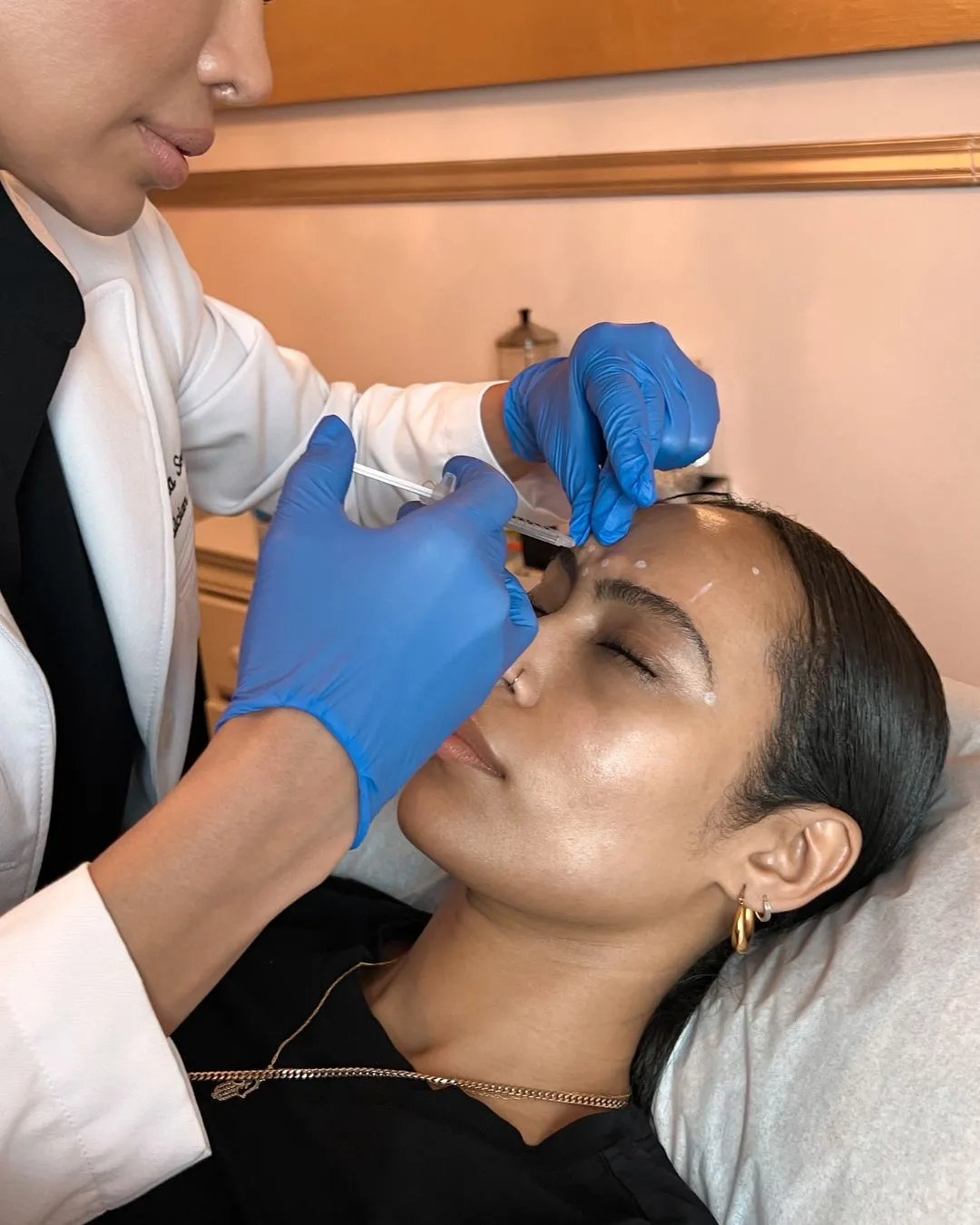
Pricing a Botox certification cost often leads to conflicting figures because neither the FDA nor state medical boards establish a fixed price schedule or official national benchmark. The U.S. Food and Drug Administration (FDA) regulates onabotulinumtoxinA (BLA 103000) as a prescription biologic; it does not credential individual injectors or approve commercial training fees.
For physicians, nurse practitioners, physician assistants, registered nurses, and dentists evaluating aesthetic training, understanding the cost drivers behind course fees helps ensure you invest in high-yield, clinically rigorous education.
1. How Much Is Botox Training? (Quick Answer)
Tuition varies depending on the depth of instruction, class size, inclusion of live models, and hands-on supervision. In the commercial training market, typical pricing tiers reflect three main training structures:
- Online Didactic Modules: ~$699 (focused purely on theory, facial anatomy, and reconstitution protocols).
- One-Day Hands-On Onsite Courses: ~$1,750 (combining didactic lectures with supervised live-model injections).
- Comprehensive Master/Multi-Specialty Certification Programs: ~$2,995 (covering advanced upper and lower face indications).
While online coursework provides the necessary theoretical background, hands-on clinical injection reps under direct faculty supervision are required to develop safe technical skills.
2. What Affects Cost?
Three primary operational factors influence course pricing across commercial training providers:
Training Delivery Format
Self-paced online instruction eliminates clinical overhead, live models, and faculty-to-trainee ratios, keeping costs lower. Onsite programs require dedicated facility management, live patient model sourcing, and direct expert oversight, which accounts for higher tuition fees.
Curriculum Level and Clinical Scope
Basic certification focuses on core upper-face indications (glabellar lines, crow's feet, and forehead lines). Advanced or comprehensive training expands into lower-face applications, platysma bands, masseter hypertrophy, axillary hyperhidrosis, and complex complication management, requiring higher product volume and dedicated instruction.
Location and Travel Overhead
Onsite courses held in major metropolitan hubs allow local clinicians to avoid travel expenses. Providers residing in smaller markets must budget for travel, lodging, and time away from active clinical practice when attending in-person workshops.
3. Botox Certification Cost by Course
When comparing training options through botox training certification pathways, clinicians can select from three structured formats:
- Online-Only Learning: ~$699 representative fee. Ideal for reviewing facial vascular anatomy, FDA-labeled dosing, reconstitution math, and complication identification. Serves as an affordable theoretical foundation.
- One-Day Teletraining: Interactive live-streamed didactic lectures paired with structured, supervised remote practical exercises to bridge theory and application.
- One-Day Onsite Training: ~$1,750–$2,995 representative fee. Direct, in-person instruction featuring live patient model injections supervised by experienced faculty.
The theoretical component of neurotoxin training is accessible; value lies in guided, direct clinical injection experience.
4. RN Botox Certification Cost
Tuition fees for Registered Nurses (RNs) are generally identical to those for physicians and advanced practice providers. However, the total operational cost depends on state-specific delegation and supervision laws:
- Physician Delegation: Under regulations enforced by state nursing boards (such as the Ohio Board of Nursing, Michigan Board of Nursing, or Texas Board of Nursing), RNs cannot independently diagnose or prescribe.
- Patient Evaluations: RNs must administer neurotoxins under physician delegation following a prior in-person assessment performed by a licensed prescriber (MD/DO, NP, or PA).
RNs should confirm their state's delegation rules and medical director supervision requirements before registering for a course.
5. NP, PA, and MD Botox Certification Cost
- Nurse Practitioners (NPs) & Physician Assistants (PAs): Tuition parity applies. Depending on state practice authority laws, NPs and PAs may perform initial patient evaluations, formulate treatment plans, and administer injections independently or under collaborative practice agreements.
- Physicians (MDs/DOs): Possess full independent scope to evaluate, prescribe, and inject. Medical directors pursuing training often do so to oversee delegated mid-level and nursing staff, establishing compliant standing delegation protocols.
- Dentists (DDS/DMD): Scope varies by state dental board rules. Dentists typically budget for comprehensive head and neck anatomical reviews alongside cosmetic injection techniques.
6. What's Included in the Course Fee
A comprehensive training program should clearly itemize what is provided within the tuition fee:
- Didactic training on facial anatomy, vascular danger zones, and pharmacology.
- FDA-labeled dosing guidelines, unit calculations, and injection site mapping.
- Live-model patient injection practice under direct instructor oversight.
- Complication recognition and adverse event management protocols.
- Low instructor-to-trainee ratios ensuring adequate hands-on practice.
- Standard documentation confirming completed training hours.
7. Hidden Costs to Budget For
To determine the full cost of offering aesthetic procedures, practice managers should budget beyond tuition fees:
- Initial Product Inventory: Purchasing authentic neurotoxin vials (OnabotulinumtoxinA, AbobotulinumtoxinA, or IncobotulinumtoxinA) directly from authorized distributors.
- Medical Supplies: Syringes, low-dead-space needles, bacteriostatic saline, topical anesthetics, alcohol wipes, and emergency dissolution/management kits.
- Professional Liability Insurance: Adding an aesthetic procedure endorsement rider to your existing malpractice policy.
- Travel and Lodging: Expenses associated with attending out-of-state or regional hands-on workshops.
8. Botox Certification Cost vs. Other Injectable Certifications
Many providers choose combination workshops that teach botulinum toxin and dermal fillers together. Bundling neurotoxin and hyaluronic acid filler training into a single onsite course often reduces overall educational costs compared to taking separate courses. When evaluating combined courses, verify the dedicated hands-on time allocated to each procedure.
9. Is Botox Certification Worth the Cost? (ROI)
Aesthetic neurotoxin procedures offer strong practice utility:
- Consistent Patient Retention: Treatments typically require maintenance every 3 to 4 months, generating predictable follow-up visits.
- Risk Management: Thorough anatomical training significantly reduces adverse outcomes like upper eyelid ptosis or brow asymmetry, protecting practice reputation and mitigating liability.
- Practice Diversification: Adding cash-based aesthetic procedures helps offset declining insurance reimbursement rates across general medical practices.
10. Financing and Group Rates
Many clinical directors enroll multiple staff members simultaneously. Ask training providers about group discounts for practice teams, custom in-office training options, or structured payment arrangements to manage initial costs.
11. Free Extras: What's Free and What Isn't
While online didactic materials, anatomical charts, and video demonstrations can be accessed affordably, supervised clinical injection practice on live patient models represents the primary value component of training. Free online videos cannot replace hands-on feedback from an experienced instructor.
12. How to Choose for Your Budget
Evaluate course quotes using these key criteria:
- Total Transparent Fee: Confirm whether product and model fees are included.
- Supervised Hands-On Hours: Verify the actual time you will spend personally injecting live models.
- Instructor Ratios: Smaller class sizes guarantee direct faculty guidance.
- Faculty Credentials: Verify instructors are practicing, licensed clinicians with extensive cosmetic injection experience.
- State Scope Alignment: Confirm that the training format aligns with your state board's delegation requirements.
13. Frequently Asked Questions
How much does Botox certification cost?
Market rates generally range from ~$699 for self-paced online didactic learning to ~$1,750–$2,995 for comprehensive live-model hands-on training.
Is Botox certification approved by the FDA?
No. The FDA regulates prescription pharmaceuticals and medical devices, not commercial educational courses or practitioner credentialing.
Does an RN pay more for Botox certification than a physician?
No. Tuition fees are standard regardless of license type, though RNs must adhere to state physician delegation rules.
What FDA-approved dosing parameters are taught?
Standard labeled doses include 20 Units total for glabellar lines (4 U across 5 sites), 24 Units for lateral canthal lines (4 U across 3 sites per side), and 20 Units for forehead lines when combined with glabellar treatment.
Are units interchangeable between Botox, Dysport, and Xeomin?
No. Potency units are specific to each manufacturer's proprietary assay and cannot be converted 1:1.
14. Ready to Get Certified? (Takeaway)
Investing in high-quality aesthetic education ensures clinical safety, regulatory compliance, and technique precision. Select the learning structure that fits your schedule and budget—one-day onsite, one-day teletraining, or online-only—through our botox training certification program to expand your practice safely.
15. Medical Disclaimer
This document is intended strictly for educational and informational purposes for licensed healthcare professionals. It does not constitute legal or medical advice. Practitioners must consult their respective state licensing boards and review local practice acts before administering cosmetic neurotoxin injections.